Why private-by-default beats one big public album
Public event albums feel generous but expose guests who never agreed to it. A look at why private, per-guest photo sharing is the safer default.
The easiest way to share event photos is to put all of them in one folder and send the link to everyone. It's also the most common way. And for a lot of events, it's not a great idea.
That might sound like an odd thing for a photo sharing company to say. Let us explain.
A public album shares everyone with everyone
When a link to a full album goes out, every guest can see every photo. That includes the photos of other people's children. The frame of a colleague who'd had a bit too much at the office party. The relative who doesn't use social media for reasons of their own and would rather not turn up in a stranger's Instagram story.
Links also travel. A link sent to 200 guests gets forwarded to friends, posted in other groups, saved in notes. Within a week, nobody really knows who can open it.
Most of the time nothing bad comes of this. But "most of the time" is a thin line when it's other people's faces.
What private by default looks like
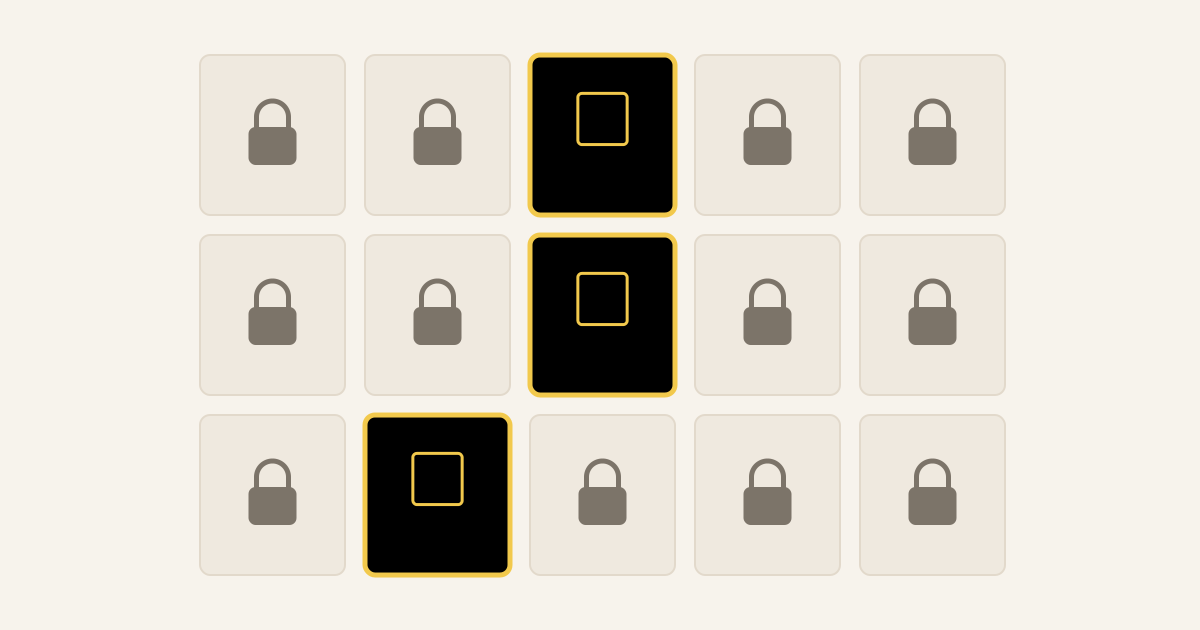
The alternative is to make each person's view of the event match what they're actually in:
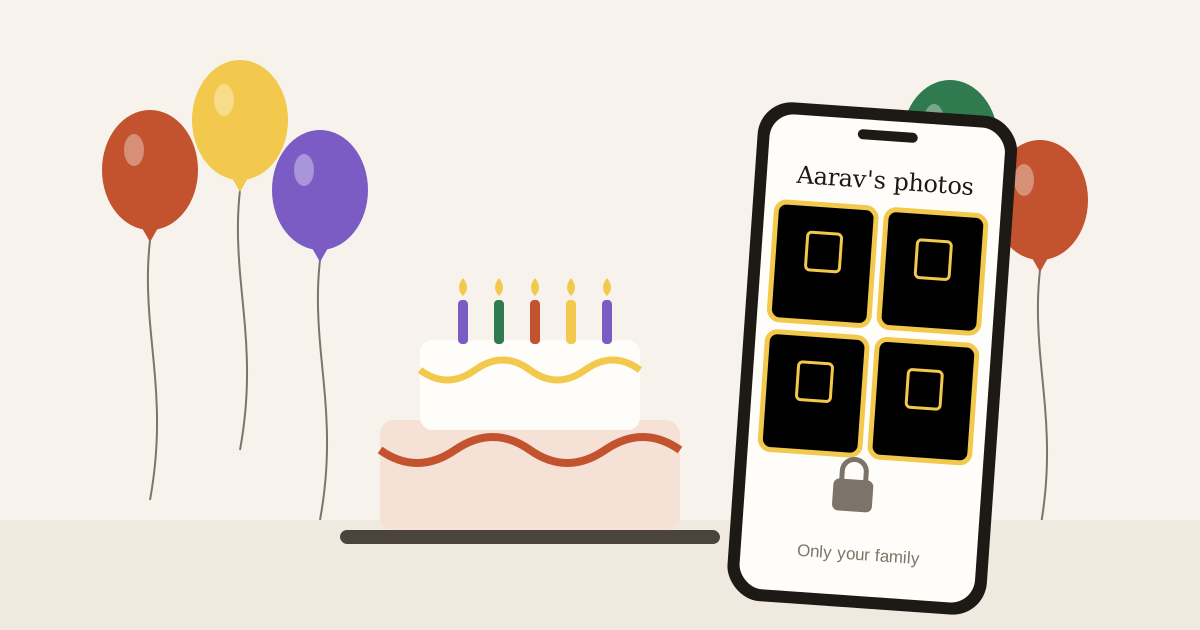
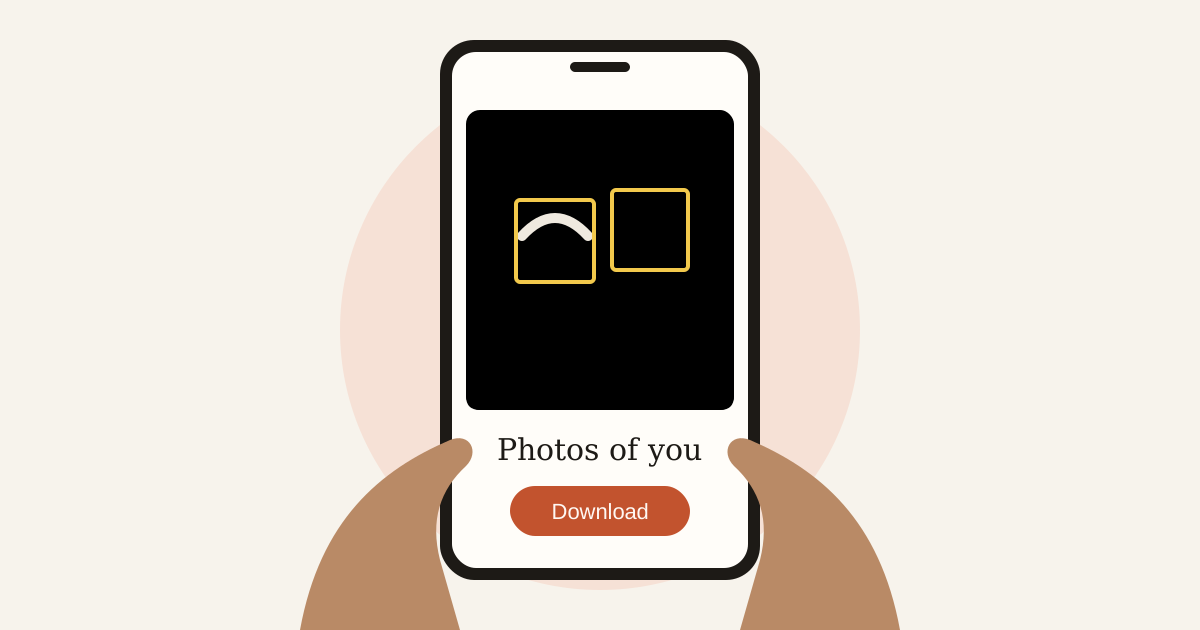
- a guest sees only the photos their face appears in
- the host sees the whole event, because it's theirs
- the photographer sees everything, because they took it
Nobody has to make a decision about who gets what. The faces decide. That's how Glimpse works out of the box.
Public is still useful, just not the default
There are events where a full public gallery makes sense. A college fest, an open community celebration, a product launch where the whole point is to be seen. For those, the photographer can switch an event to public and anyone with the link can browse the full album.
If the link ends up somewhere it shouldn't, it can be rotated. The old link stops working and the new one goes only to the people you choose. That's the kind of control that's hard to get with a shared drive folder.
Sign-in is part of the privacy, not a hurdle
Guests sign in with a one-time code sent to their mobile number. It takes a few seconds and there's no password to forget. It also means the person opening a gallery is the person whose photos are in it, rather than whoever happened to get hold of a link.
A quick test for hosts
Before you share an album with everyone, try this. Scroll through it and ask yourself whether every person in every photo would be fine with every other guest seeing it. If the answer is "probably", that's usually a sign that a private, per-person gallery is the better fit.
Your guests are trusting you with their faces for the evening. It's a nice thing to hand them back carefully.
Shooting an event soon?
Upload once and every guest gets a private gallery of the photos they're in.